Suono Elettronico
Play With Sound
DISTORSORI
DISTORTION
OVERDRIVE · FUZZ · BIT CRUSHING · WAVESHAPING
OVERDRIVE · FUZZ · BIT CRUSHING · WAVESHAPING
La distorsione è una deformazione della forma d'onda.
Distortion is the result of intentional or unintentional waveform modification.
Dovuta al passaggio da circuiti analogici o a trattamenti digitali, restituisce un suono più sporco e graffiante, ma allo stesso tempo più complesso. Può essere un errore o uno strumento creativo.
Generated from an alteration in waveform through analog circuits or digital processing, it creates a dirtier and muddier sound that is more harmonically complex. It can be an error or a creative tool.
OVERDRIVE
OVERDRIVE
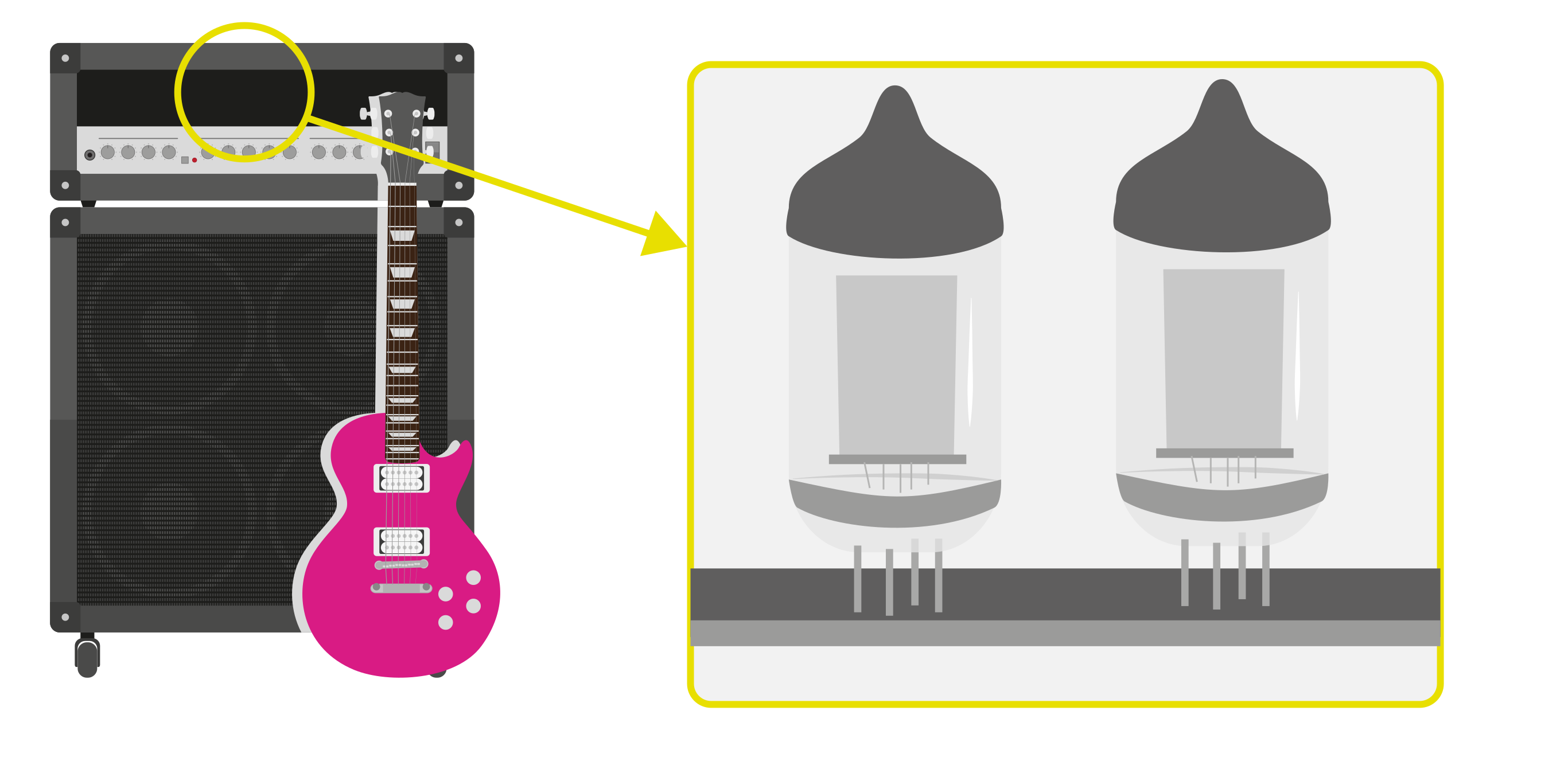
Alzando molto l'amplificazione di un circuito a valvola, il circuito tende a "colorare" il suono. La valvola sotto "stress" restituisce una forma d'onda più distorta di quella in ingresso.
In tube-based amplification, turning up the amplifier causes the tube transistor to get an input beyond its normal limits of operation. The result is a distorted output waveform.
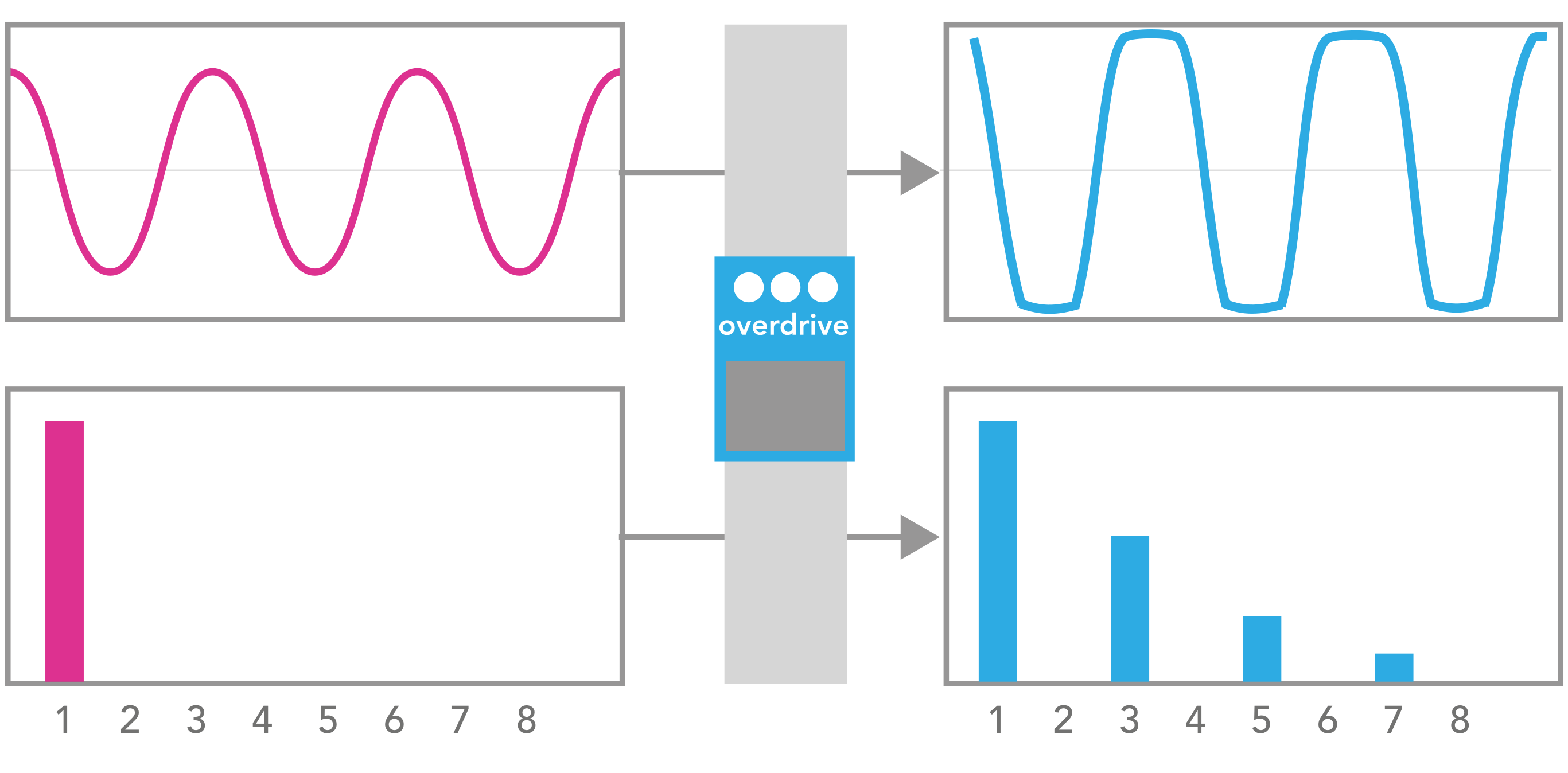
La sinusoide viene schiacciata ai picchi: nasce un'onda simile alla quadra.
The sine wave is amplified and experiences clipping: the output begins to look like a square wave.
I nuovi armonici si posizionano sugli armonici dispari, esattamente come in un'onda quadra classica.
The new harmonics are placed at odd harmonic frequencies, just like a classic square wave.
FUZZ
FUZZ
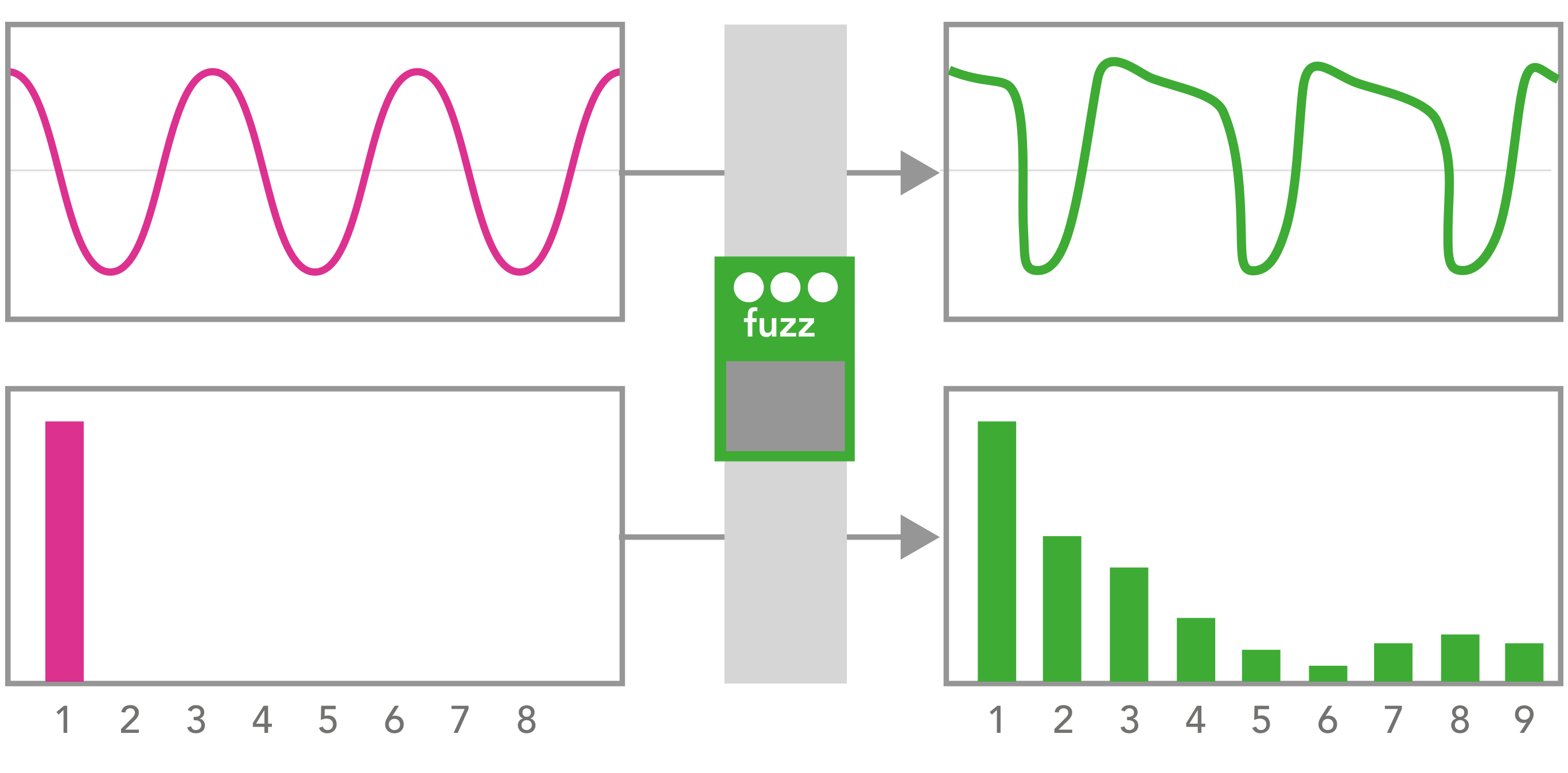
Anche il Fuzz deriva da un errore fortuito nel 1960: durante la registrazione di "Don't Worry" di Marty Robbins, il trasformatore dell'amplificatore si ruppe, generando un suono molto distorto che piacque talmente da essere lasciato nel brano.
Fuzz originated from a chance mistake in 1960 while Marty Robbins was recording "Don't Worry." The transformer on the guitar amplifier broke, producing a distorted sound everyone enjoyed so much they decided to keep it.
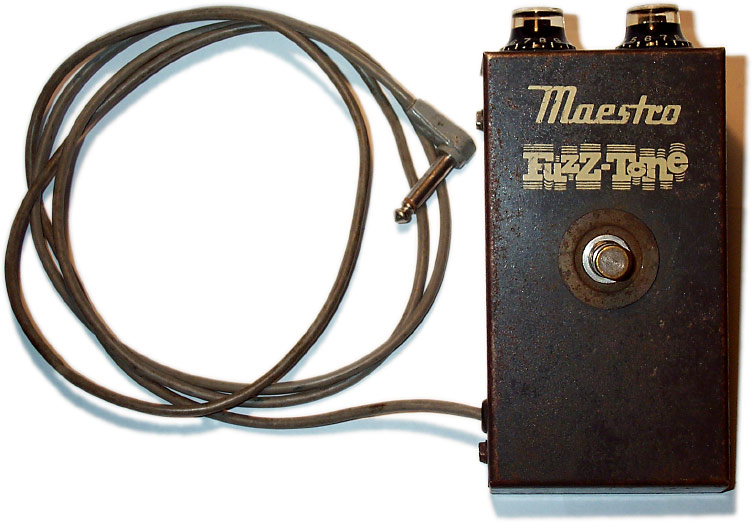
L'ingegnere Glenn Snoddy fece reverse engineering e nel 1962 nacque il primo pedale fuzz: il Maestro Fuzz Tone.
The engineer Glenn Snoddy reverse engineered it, creating the world's first fuzz pedal circuit: the Maestro Fuzz Tone in 1962.
By Red Rooster — Copyrighted free use — commons.wikimedia.org/w/index.php?curid=705230
Il Fuzz aggiunge armonici pari — tanti, fino al nono e oltre.
Fuzz adds even harmonics — many, even beyond the ninth harmonic.
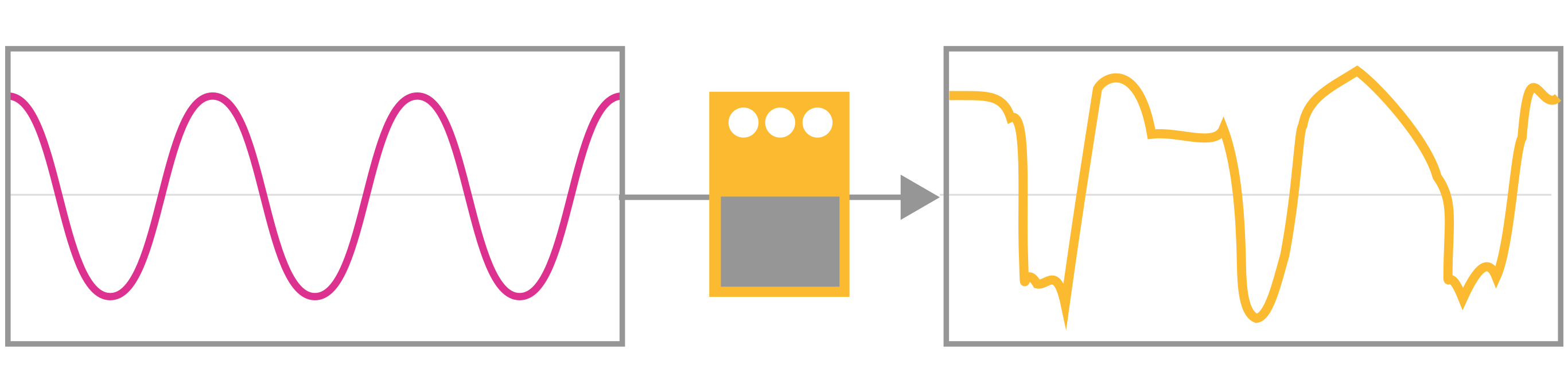
Rispetto all'overdrive, la distorsione è più importante e asimmetrica. Ecco perché il fuzz suona così graffiante e acido.
Compared to overdrive, the peaks are not only squashed but also asymmetrical. This is why fuzz sounds so invasive, scratchy, and sour.
Resampling e Bit Crushing
Bit Crushing and Resampling
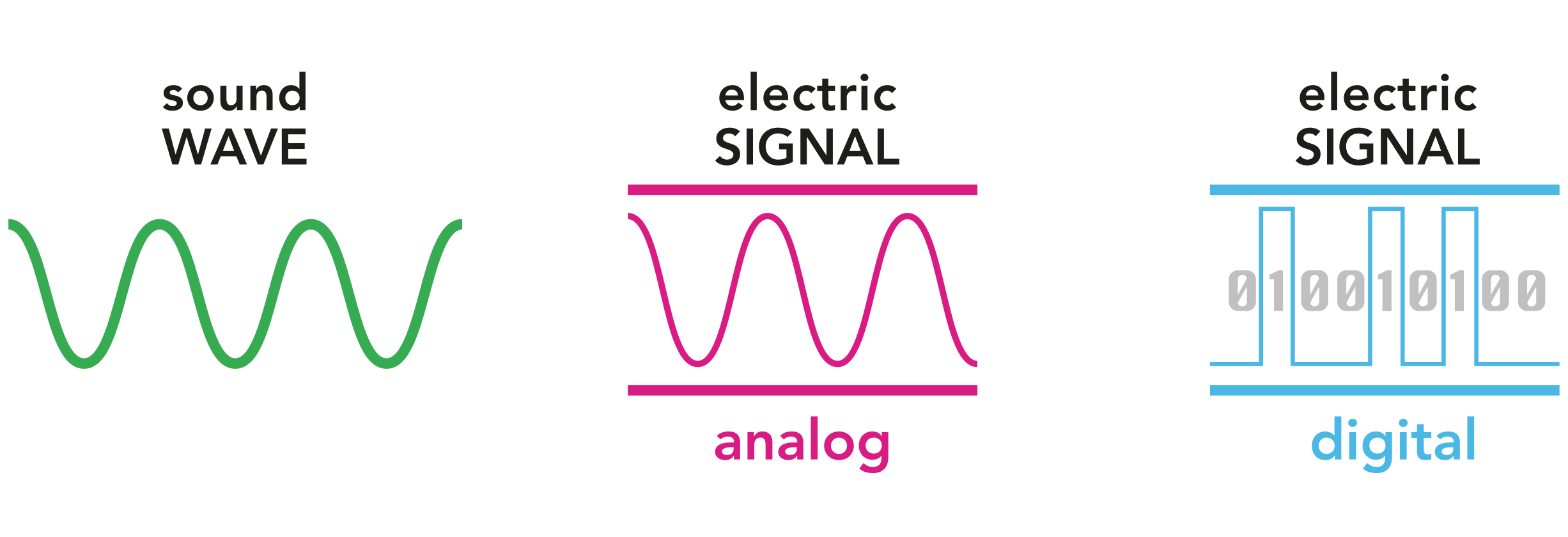
Esistono distorsioni possibili solo grazie al processamento digitale. Passando da analogico a digitale, l'ADC crea un'approssimazione dell'onda in ingresso campionandola un certo numero di volte al secondo.
There are distortions possible only through digital signal processing. Going from analog to digital, the ADC creates an approximation of the input wave through sampling (sample rate) and quantization (bit depth).
Sample Rate e Bit Depth
Sample Rate and Bit Depth
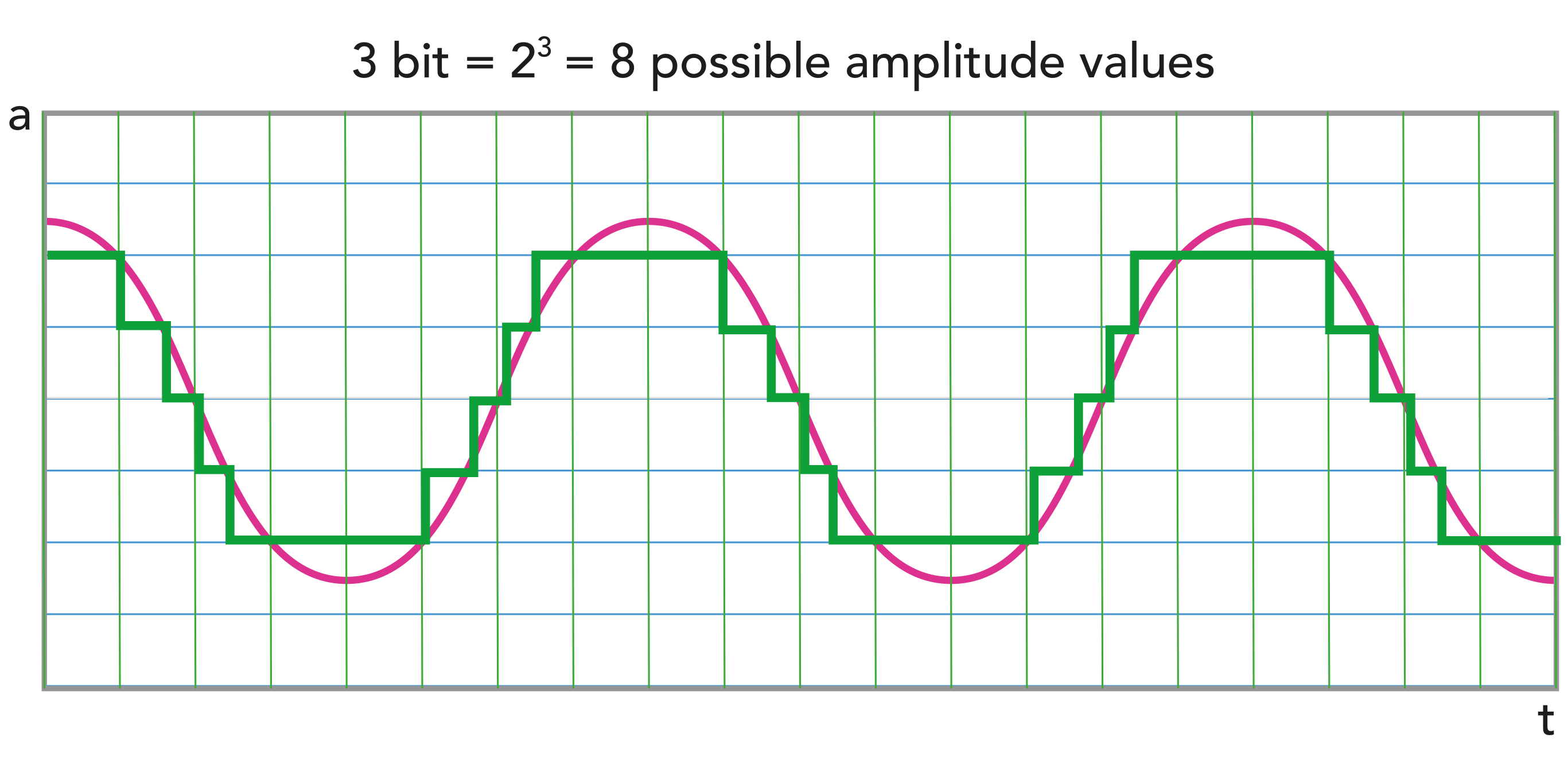
I valori standard sono almeno 44100 campioni/sec e 16 bit (= 65536 scalini). Se riduco uno o entrambi questi parametri ottengo una distorsione progressiva del suono.
Standard values are at least 44,100 samples/sec and 16 bits. Reducing either creates progressive distortion. The sampling rate and bit depth determine the approximation quality.
Resampling
Resampling
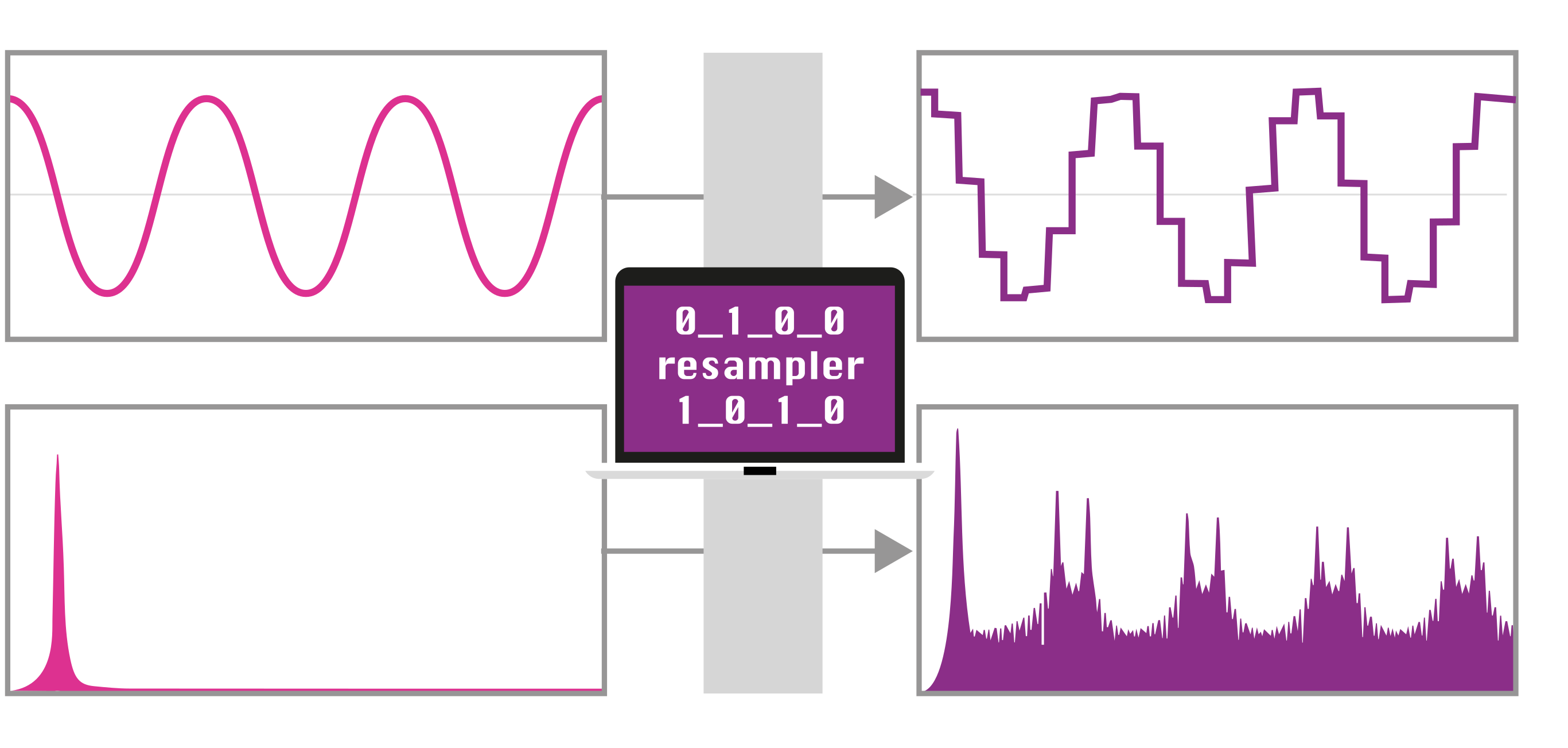
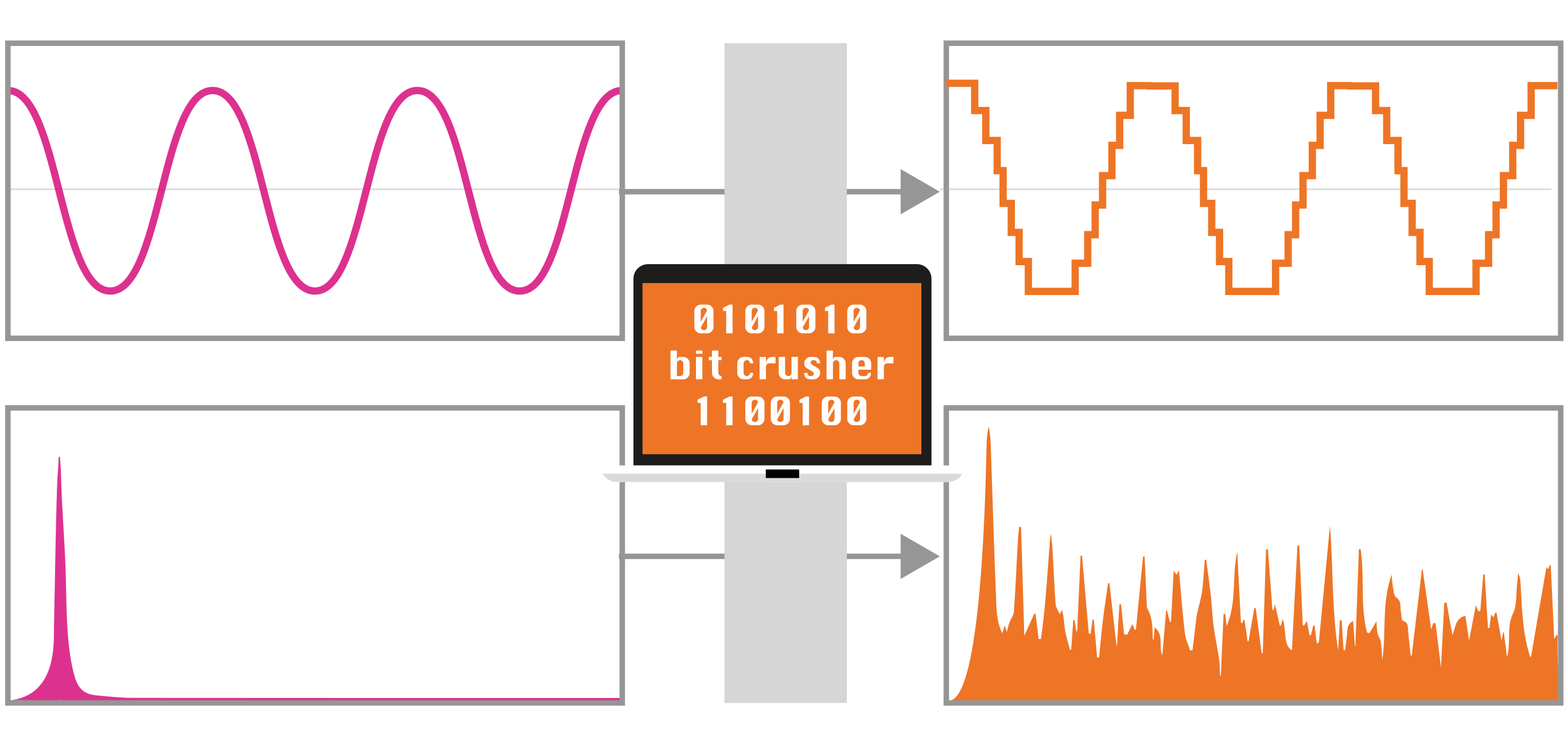
Riduce il sample rate. Questo degrada la forma d'onda tramite aliasing: si creano copie spettrali del suono al di sopra della frequenza di campionamento. L'effetto è una sorta di armonizzazione irregolare.
Reduces the sample rate. This degrades the waveform through aliasing: spectral copies are created at multiples of the sample rate. When the rate drops below the Nyquist Frequency, the aliases overlap and create audible distortion.
Bit Crushing
Bit Crushing
Riduce il bit depth, diminuendo il numero di scalini di ampiezza disponibili. Le onde diventano più spigolose, ricche di frequenze alte: un suono acido e tagliente.
Decreases the bit depth, reducing the amplitude steps available. This creates more angular waveforms, richer in high frequencies: a sharp, acidic sound. At 1 bit, only two states remain: max or min.
Waveshaping
Waveshaping
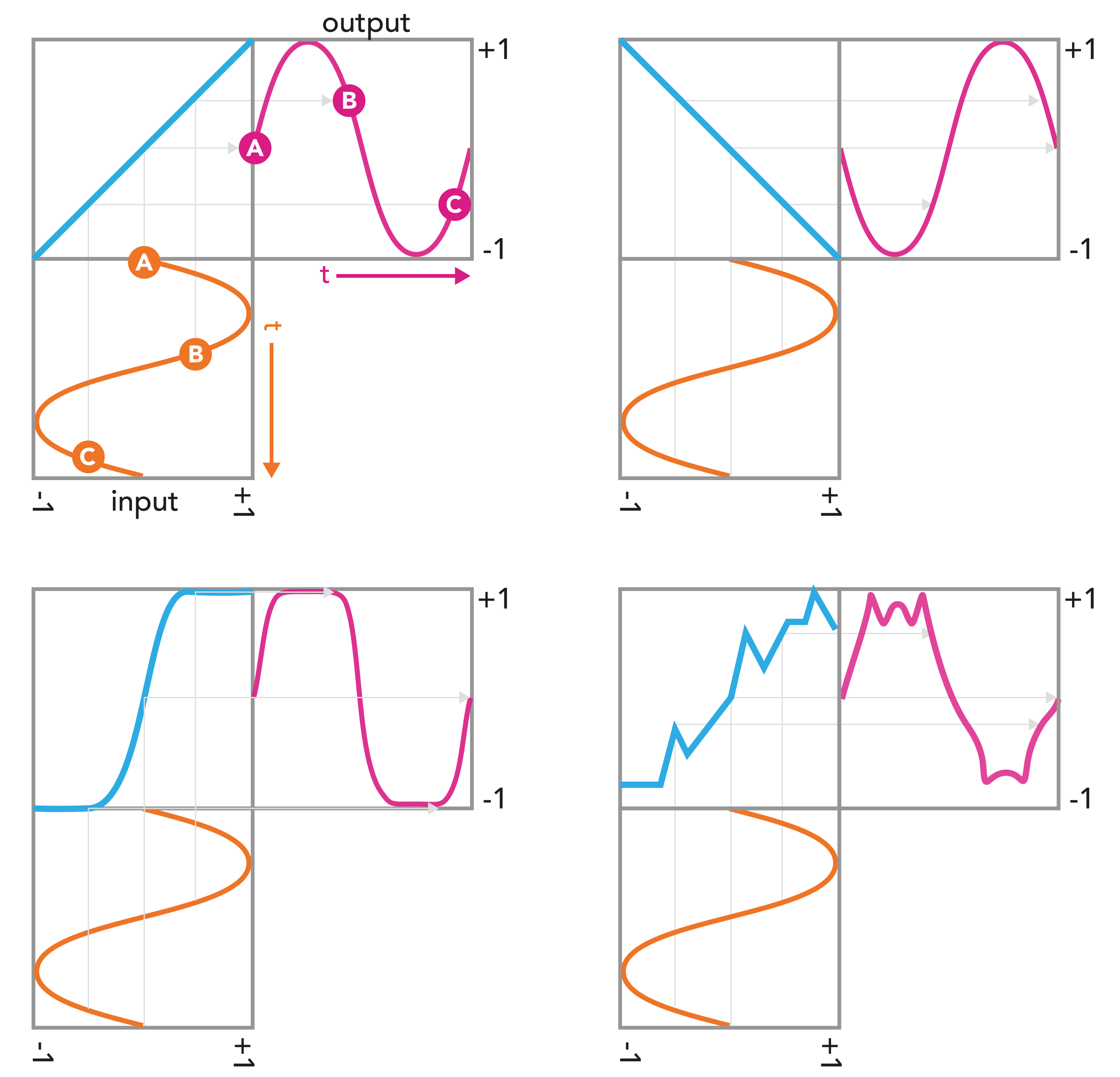
Tecnica di sintesi usata come distorsore efficiente: il segnale audio passa attraverso una funzione di trasferimento che ne distorce la forma. Cambiando la funzione si ottengono timbri radicalmente diversi.
A synthesis technique exploited as an efficient distortion tool: the audio signal is fed into a transfer function that distorts its shape. Different functions produce radically different timbres.

Suono Elettronico
Play With Sound
IL LIBRO È ORA DISPONIBILE
THE BOOK IS NOW AVAILABLE
in tutti gli store
in all stores